
![Rome on a Budget: The Anti-Tourist-Trap Guide [2026]](https://www.pricimo.com/wp-content/uploads/2026/02/Rome-on-a-Budget-900x500.webp)
Rome on a Budget: The Anti-Tourist-Trap Guide [2026]
Rome will destroy your wallet if you let it. But Romans have a parallel economy, €2 supplì at Testaccio market, €1.50 espresso standing at the bar, 2,500 fountains dispensing free water. This guide reveals 91 verified spots where locals actually eat, drink, and explore, rated by VALUE, not just quality. After 4 years living here, I’ve watched tourists pay €28 for microwaved carbonara while I ate the real thing for €11. Stop getting scammed like it’s your job.
My first week in Rome, I paid €28 for a carbonara near the Colosseum. The pasta had that rubbery texture you recognize instantly frozen, reheated in a microwave. The guanciale? Bacon. The pecorino? Probably industrial parmesan. The waiter didn’t even pretend to care.
The next day, a Roman friend dragged me to Da Enzo al 29 in Trastevere. Forty-minute queue, no reservations, menu scrawled on a chalkboard. The carbonara? €11. Perfect. Runny yolk, thick-cut crispy guanciale, real pecorino romano that made me close my eyes.
Same city. Same dish. €17 difference and opposite quality.
After 4 years in Rome, I’ve figured it out: the city isn’t expensive for everyone. It’s expensive for tourists. Romans have an entire parallel economy running beneath the surface neighborhood markets where lunch costs €6, bars where espresso costs €1.50, 2,500 fountains dispensing water cleaner than anything you’d buy in a bottle.
This isn’t another generic “Italy on a budget” guide telling you to skip the tourist restaurants. This is everything I wish someone had told me before I burned €200 in my first 48 hours.
What Should Things Actually Cost in Rome?
A proper carbonara costs €10-14 at neighborhood trattorias, anything above €18 means you’re paying the tourist tax. Espresso standing at the bar costs €1-1.50 everywhere except monument areas where it jumps to €5. The 200-meter rule applies: walk 200 meters from any major attraction and prices drop 50%.
Before you can spot a rip-off, you need to know fair prices. Based on where Romans actually spend money, here’s what things should cost, anything significantly higher means you’re paying the tourist tax.
The pattern is brutal: anything within eyeshot of a major monument charges double or triple. I’ve clocked it, walk exactly 200 meters from the Trevi Fountain and pasta prices drop from €25 to €12. That’s not a metaphor. That’s the actual math.
Realistic daily budgets:
- Backpacker (hostel, street food, free activities): €50-70/day
- Budget traveler (budget hotel, trattorias, day pass): €70-100/day
- Comfortable (mid-range hotel, restaurants, all attractions): €120-180/day
With the spots in this guide, you can comfortably hit the budget tier while eating and drinking like you’re in the comfortable one.
Where Locals Actually Eat in Rome
📥 The Rome Starter Guide
15 Hidden Gems. Real € Prices. Zero Tourist Traps.
🔒 No spam, ever. Unsubscribe anytime.
Romans eat at Testaccio market stalls (€5-8 legendary panini), neighborhood pizzerie (€2-4/slice), and trattorias with handwritten menus (€8-12 pasta). They avoid anywhere with laminated English menus, photos of food outside, or waiters calling you in from the street. Walk 5 minutes from any monument and you’ll find where they actually go.
Here’s the thing about Roman restaurants: if the menu has photos of the food, run. If a waiter is standing outside trying to pull you in, run faster. Good restaurants in Rome have queues, not touts.
The secret isn’t finding “cheap” restaurants, Rome has plenty of terrible cheap food. It’s finding places where quality justifies the price. That’s exactly what Pricimo’s Value Score measures: Quality ÷ Price. A €15 meal can be a Hidden Gem if it’s genuinely exceptional. A €10 meal can be a Tourist Trap if it’s reheated frozen pasta.
Featured Hidden Gems:
Mordi e Vai – Value Score: 10/10 Mercato di Testaccio, Stall 15 | €6-7
This is it. The single best budget lunch in Rome. Sergio makes legendary Roman panini—bollito (boiled beef), trippa (tripe for the adventurous), porchetta that melts. The bread is perfect, the fillings are house-made, and €7 gets you a meal that tourists pay €20+ for near the Colosseum.
Last time I brought visitors, they couldn’t believe this existed. We paid €7 each for panini that were better than any €25 restaurant meal they’d had. Try the alesso di scottona con cicoria—braised beef with sautéed greens. Life-changing.
Da Enzo al 29 – Value Score: 10/10 Via dei Vascellari 29, Trastevere | €10-15
The carbonara here ruined all other carbonara for me. Handmade pasta, perfect egg emulsion, guanciale that’s crispy and fatty in exactly the right ratio. Yes, there’s a 30-45 minute queue. No, you can’t reserve. That’s the point, places that take reservations near Trastevere’s main piazzas are usually tourist traps.
The cacio e pepe is equally legendary. Go for lunch to avoid the worst queues.
Supplì Roma – Value Score: 10/10 Via di San Francesco a Ripa 137, Trastevere | €2-3
The best supplì in Rome. These crispy fried rice balls with molten mozzarella inside are the ultimate Roman street food. and at €2-3 each, they’re practically free by Rome standards. The cacio e pepe supplì is the Roman specialty version, and it’s absurdly good.
I eat here at least once a week. It’s my benchmark for whether I’m overpaying elsewhere.
Pizzarium – Value Score: 9/10 Via della Meloria 43, Prati | €5-10
Gabriele Bonci is basically the god of pizza al taglio (pizza by the slice). This place has been called the best pizza in Rome by everyone from local food critics to international food shows. The genius part? Tell them your budget and they’ll work with you. The potato pizza is the cheapest option and still incredible.
Trapizzino – Value Score: 9/10 Multiple locations | €4-5
A pizza pocket stuffed with traditional Roman fillings, genius invention that lets you eat classic dishes like pollo alla cacciatora and coda alla vaccinara (oxtail stew) while walking. Multiple locations, consistently excellent, and €4-5 for something that would cost €15+ as a sit-down dish.
Money-Saving Life Hacks Only Romans Know
Romans save €20-40 daily using tricks tourists never discover: standing at bars (50% cheaper), drinking from 2,500 free fountains, turning aperitivo into dinner, and visiting major museums for free on the first Sunday. These aren’t tips, they’re how the city actually works.
The Standing Rule (This Changes Everything)
First time in Rome, I sat down at a café near Piazza Navona. Cappuccino was €6. The next day, I stood at the bar at a café one street away €1.50. Same coffee quality, 75% cheaper.
This isn’t a hack. It’s Italian law. Bars must display two price lists: “al banco” (at the bar) and “al tavolo” (at the table). Sitting is a service you pay for. Standing is self-service. Every traditional Italian bar operates this way.
Romans never sit for a quick coffee. They walk in, order, drink it in 30 seconds standing at the bar, and leave. Do the same and you’ll save €3-5 per coffee, which adds up to €15-20/day if you’re drinking coffee like an Italian (3-4 times daily).
2,500 Free Drinking Fountains (Nasoni)
Rome has 2,500+ public drinking fountains called “nasoni” (big noses) because of their curved spout shape. Every single one dispenses clean, cold water from the same aqueducts that have supplied Rome for 2,000 years. It’s arguably better than bottled water.
Here’s the trick locals know: plug the top hole with your finger and water spurts up like a drinking fountain. No need to put your mouth on the spout.
I’ve saved approximately €1,000 over four years by never buying bottled water in Rome. The math is obvious: €2-4 per bottle × 3 bottles/day × 365 days = tourist stupidity.
Aperitivo = Free Dinner
This is the greatest food hack in Italy. At many Roman bars, buying one drink during aperitivo hours (typically 6:30-10pm) gets you access to an unlimited buffet. We’re not talking chips and olives—we’re talking pasta, rice, bruschetta, vegetables, sometimes even meat.
Best aperitivo buffets:
- Freni e Frizioni (Trastevere) – €8-12 cocktail, excellent spread
- Rec23 (Testaccio) – €10 gets you a full dinner
- La Zanzara (Prati) – Great value near Vatican
I’ve eaten dinner this way countless times. One €10 drink = a full meal. That’s €15-20 saved versus a restaurant dinner.
First Sunday = Free Museums
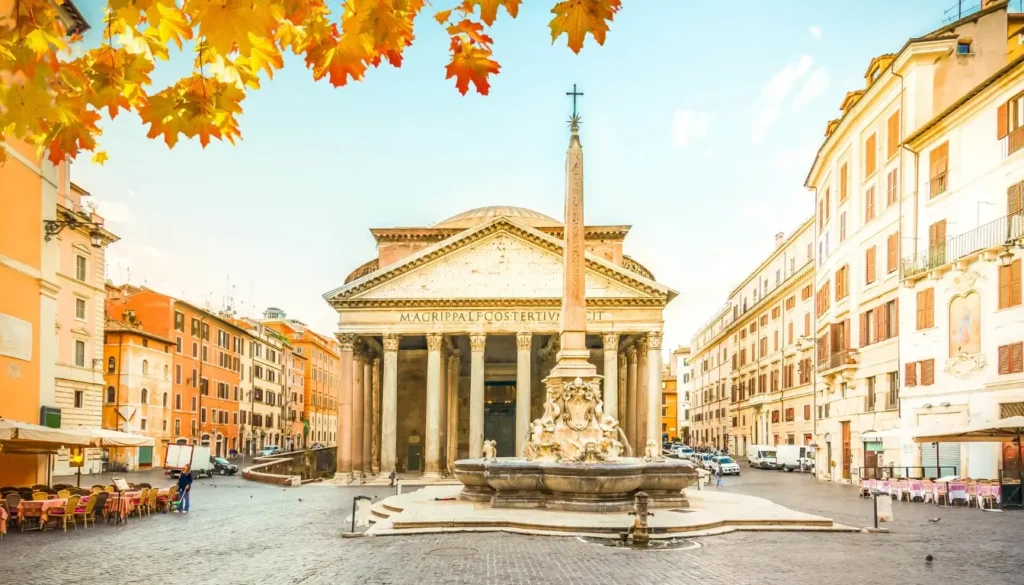
Every first Sunday of the month, most Italian state museums offer free admission. In Rome, this includes:
- Colosseum (normally €16-24) – Arrive by 8am, queues are brutal
- Roman Forum (included with Colosseum)
- Galleria Borghese (normally €13) – MUST book online even for free entry
- Musei Capitolini (normally €15)
- Pantheon (normally €5)
One strategic first Sunday can save you €50+ in museum tickets. The catch: everyone knows about this, so arrive early. I mean 7:30am early.
Skip the Roma Pass (Do the Math First)
The Roma Pass costs €32 (48h) or €52 (72h) and includes transport plus museum discounts. Sounds good, right?
Do the actual math. A 48-hour transport pass costs €12.50. If you’re only visiting the Colosseum (€16-24) and one other museum, you break even at best. And most people don’t need unlimited transport, central Rome is extremely walkable.
The Roma Pass makes sense only if you’re visiting 3+ paid museums in 48 hours AND using lots of public transport. For most travelers, buying individual tickets is cheaper.
Free Things to Do in Rome
Most “things to do in Rome” lists push expensive tours and skip-the-line tickets. The best experiences cost nothing: sunset at Gianicolo Hill, wandering Trastevere at dusk, the view through the Knights of Malta keyhole. Rome’s greatest attractions are its streets, its piazzas, and its light.
Gianicolo Hill Sunset
THE best view of Rome, and it’s completely free. Walk up from Trastevere (it’s a climb, but worth it) and you’ll see the entire city spread out below you every dome, every rooftop, every church spire turning gold as the sun sets.
There’s a cannon that fires every day at noon (tradition since 1847), puppet shows on weekends, and a carousel for kids. Bring wine and snacks from a nearby alimentari and you’ve got the best evening in Rome for under €10.
Villa Borghese
Rome’s Central Park. Rent rowboats on the lake (€3), bike through the paths (€4/hour rental), or just find a shady spot and people-watch. The Pincio Terrace at the south end overlooks Piazza del Popolo, another incredible free viewpoint.
The museums inside (Galleria Borghese, etc.) cost money, but the park itself is free and beautiful.
Giardino degli Aranci (Orange Garden)
A peaceful garden on the Aventine Hill with orange trees, benches, and a view over Rome that tourists pay €25 rooftop bar prices for. Completely free, usually uncrowded, and magical at sunset.
While you’re there, walk to the nearby Knights of Malta keyhole (Piazza dei Cavalieri di Malta). Look through the keyhole in the green door and you’ll see a perfectly framed view of St. Peter’s dome at the end of a tree-lined path. Free, Instagram-perfect, and most tourists never find it.
Trastevere Evening Passeggiata
Italians do the evening stroll (“passeggiata”) and so should you. Trastevere after 6pm is magical cobblestone streets, ivy-covered buildings, street musicians, piazzas filled with people drinking wine. Piazza Trilussa and Piazza Santa Maria in Trastevere are the centers of gravity.
Buy a €4 beer from a corner shop, find a spot on the steps by the fountain, and you’re living la dolce vita without spending restaurant money.
Transport Without Getting Ripped Off
A single ticket costs €1.50 and lasts 100 minutes including one metro ride, dirt cheap by European standards. But here’s the real secret: central Rome is so walkable that most tourists don’t need public transport at all. The Colosseum to Trevi Fountain is a 25-minute walk through beautiful streets.
The Math That Matters
If you’re staying in the Centro Storico (historic center), you’ll barely use transport. The Colosseum, Forum, Pantheon, Trevi Fountain, Spanish Steps, Piazza Navona, and Campo de’ Fiori are all within walking distance of each other.
Transport is mainly useful for:
- Getting to/from Termini station
- Reaching Vatican/Prati area from centro
- Trastevere if your feet are tired
- San Lorenzo/Pigneto nightlife areas
Walking is the Best Transport
I cannot stress this enough: walk. Rome reveals itself on foot in ways that buses and metros never show you. You’ll stumble onto piazzas, churches, and trattorias that no guidebook mentions. The city is designed for walking, narrow streets, hidden courtyards, fountains everywhere.
My first month, I took transport everywhere. Now I walk 10-15km daily and love every step. You’ll save money AND see more.
Cheapest Drinks in Rome (Yes, They Exist)
Bar San Calisto serves €2-4 beers, the cheapest in Trastevere, possibly in all of central Rome. San Lorenzo’s student piazzas have €4-7 beers with BYOB vibes. And aperitivo culture means one €10 cocktail can replace dinner entirely. Budget drinking absolutely exists; you just need to know where.
A beer near the Trevi Fountain costs €8-12. A beer at Bar San Calisto costs €2-4. That’s not a discount, that’s a different planet.
Featured Bars:
Bar San Calisto – Value Score: 10/10 Piazza San Calisto, Trastevere | €2-4/beer
THE legendary cheap bar of Rome. No frills, no pretense, just locals, students, and travelers who’ve figured it out. The interior is stuck in 1950, the crowd spills into the piazza, and a large beer costs what a small beer costs elsewhere. This is where I send everyone.
San Lorenzo Piazza Scene – Value Score: 10/10 Piazza dell’Immacolata | €4-7/beer
Rome’s university district has the cheapest nightlife. The vibe: buy drinks from a bar or corner shop, bring a portable speaker, hang out in the piazza until 2am. It’s not fancy, but it’s authentic Roman student life, and you’ll spend €15 for a whole evening.
Freni e Frizioni – Value Score: 9/10 Via del Politeama 4/6, Trastevere | €8-12/cocktail
Yes, €10 for a cocktail sounds expensive. But that cocktail includes unlimited access to one of Rome’s best aperitivo buffets from 6:30-10pm. Pasta, rice, bruschetta, vegetables—it’s dinner. The cocktails are actually excellent too, craft-level quality.
Rec23 – Value Score: 9/10 Piazza dell’Emporio 2, Testaccio | €10/aperitivo
Industrial-chic space in Testaccio with a huge aperitivo spread. €10 gets you a drink and unlimited buffet access. I’ve watched tourists pay €40 for dinner at mediocre restaurants while locals were eating the same quality food here for a quarter of the price.
Tourist Traps to Avoid in Rome
These places will rip you off: any restaurant near Piazza Navona, Trevi, or Spanish Steps with laminated menus and photos outside; “skip the line” tour sellers outside the Colosseum; anyone trying to give you a “free” bracelet or rose. Here’s exactly what to skip and what to do instead.
The Tourist Tax Zones
Piazza Navona surroundings: Beautiful piazza, brutal restaurants. Every café and restaurant directly on the square charges €15-25 for basic pasta that costs €8-10 five minutes away. Walk toward Campo de’ Fiori and prices normalize immediately.
Trevi Fountain area: I watched a solo traveler pay €35 for a plate of spaghetti here. THIRTY-FIVE EUROS. For spaghetti. The restaurants within sight of the fountain exist solely to extract maximum money from tourists who won’t walk five minutes.
Spanish Steps surroundings: Same story. Anything on or immediately adjacent to major attractions is priced for people who don’t know better.
Red Flags That Scream Tourist Trap
Laminated menus with photos: No self-respecting Italian restaurant has photos of food on the menu. Ever. This is a universal signal that the place serves microwaved food to tourists.
Menus in 8 languages: If the menu prominently features English, German, Japanese, and Chinese, you’re in a tourist zone. Real trattorias have handwritten menus in Italian only.
Waiters calling you in from the street: Good restaurants have queues of people waiting to get in. Bad restaurants have aggressive staff trying to pull you off the sidewalk. If someone’s standing outside saying “Nice menu, good food, sit down!”—keep walking.
“Tourist menu” offers: Any place advertising a “tourist menu” is telling you exactly who they’re trying to scam.
Scams to Avoid
Friendship bracelet scam: Someone approaches you near Trevi Fountain or Spanish Steps, ties a bracelet on your wrist as a “gift,” then aggressively demands €20-40. Say NO firmly, don’t let them touch you, walk away. Don’t engage in conversation.
Rose sellers: People will approach couples at restaurants with roses, acting like it’s a romantic gesture. Then they demand €5-20. A firm “no grazie” repeated as needed works.
Gladiator photos: The guys in gladiator costumes outside the Colosseum will aggressively pressure you into photos, then demand €20-50. Avoid eye contact, don’t engage.
“Skip the line” sellers outside Colosseum: Many are scams or massively overpriced. Book directly through the official site (parcocolosseo.it) for legitimate skip-the-line tickets.
FAQs About Visiting Rome on a Budget
Is Rome expensive for tourists?
Rome can be expensive if you eat in tourist areas, but it’s very affordable compared to cities like Paris, London, or Zurich. Budget travelers can manage €50-70/day with hostels and street food. The key is avoiding the obvious tourist traps—restaurants near major monuments, anywhere with laminated menus and photos.
What should food cost in Rome?
Fair prices: espresso €1-1.50 (standing), pasta €8-12 (trattorias), pizza slice €2-4, carbonara €10-14. If you’re paying €20+ for pasta or €5+ for espresso, you’re in a tourist trap. Testaccio market has the best value food in the city—full meals for €6-8.
Is the Roma Pass worth it?
Usually not. Do the math: a 48h Roma Pass costs €32 and includes a 48h transport pass (worth €12.50) plus one free museum. Unless that museum costs €20+ AND you’re using lots of transport, you break even at best. Most travelers do better buying individual tickets.
Where do locals eat in Rome?
Romans eat at Testaccio market (Mordi e Vai, Casa Manco), neighborhood trattorias with handwritten Italian menus (Da Enzo, Tonnarello), and street food spots (Supplì Roma, Trapizzino). They avoid anywhere within sight of major monuments, anywhere with photos on the menu, and anywhere with waiters calling from the street.
How do I avoid tourist traps in Rome?
Three rules: stand at the bar (50% cheaper than sitting), walk 200 meters away from any monument before eating, and never enter a restaurant with laminated menus or photos of food. If a waiter is calling you in from the street, the food is bad. Good restaurants have queues.
Is Rome tap water safe to drink?
Yes. Rome has 2,500+ public drinking fountains (nasoni) serving clean water from ancient aqueducts. Plug the top hole and water spurts up like a fountain. This alone can save you €10-15/day versus buying bottles.
What’s the cheapest neighborhood in Rome?
Testaccio and San Lorenzo offer the best value. Testaccio has the city’s best food market and authentic trattorias at local prices. San Lorenzo is the university district with the cheapest nightlife, €4-7 beers and piazza drinking culture. Both are where Romans actually hang out.
How much should I budget per day for Rome?
Backpacker (hostel, street food, free activities): €50-70/day. Budget traveler (budget hotel, trattorias, transport pass): €70-100/day. Comfortable (mid-range hotel, restaurants, all attractions): €120-180/day. Using local tips, you can experience the comfortable tier on a budget-tier spend.
What’s the best free thing to do in Rome?
Sunset at Gianicolo Hill, hands down. Walk up from Trastevere, watch the entire city turn gold as the sun sets, bring wine and snacks for under €10 total. Other top free activities: Trastevere evening passeggiata, Villa Borghese park, the Orange Garden (Giardino degli Aranci), and the Knights of Malta keyhole.
When are Rome museums free?
First Sunday of every month (“Domenica al Museo”). This includes the Colosseum, Roman Forum, Galleria Borghese, Musei Capitolini, and Pantheon. Arrive early, very early. Queues at the Colosseum start forming by 7:30am. For Galleria Borghese, you must book online even for free entry.
Want the Complete Picture? Go Premium.
Prices verified January 2025. Got a tip we missed? Email hello@pricimo.com
Stop getting scammed like it’s your job.