![Zurich on a Budget: The Anti-Tourist-Trap Guide [2026]](https://www.pricimo.com/wp-content/uploads/2026/01/Zurich-on-a-Budget-900x500.webp)
Zurich on a Budget: The Anti-Tourist-Trap Guide [2026]
Zurich is the world’s most expensive city, but locals save CHF 30-50 daily using spots tourists never find. This guide reveals 77 verified locations where residents actually eat, drink, and explore—rated by VALUE, not just quality. After 3 years living here, I’ve watched tourists pay CHF 45 for mediocre pasta while I ate better food with Alpine views for CHF 12. Stop getting scammed like it’s your job.
I moved to Zurich in 2022 thinking I’d figured out budget travel. Within a week, the city had humbled me. A coffee cost more than my lunch back home. A train ticket to Bern? Almost as much as my flight to Switzerland. But here’s what I learned: Zurich isn’t expensive for everyone. It’s expensive for tourists. The locals have an entire parallel economy running beneath the surface—university canteens open to the public, bars where beer costs CHF 4, 1,200 fountains dispensing free Alpine water that’s cleaner than anything you’d buy in a bottle.
This isn’t another generic “Switzerland on a budget” guide telling you to pack sandwiches. This is everything I wish someone had told me before I burned CHF 200 in my first 48 hours.
What Should Things Actually Cost in Zurich?
Before you can spot a rip-off, you need to know fair prices. Based on where locals actually spend money, here’s what things should cost in Zurich—anything significantly higher means you’re paying the tourist tax.
The pattern is clear: tourist areas near Bahnhofstrasse, the lake promenade, and major churches charge roughly double. Walk 5-10 minutes in any direction and prices normalize. That’s not a metaphor—I’ve clocked it.
Realistic daily budgets:
- Backpacker (hostel, canteens, free activities): CHF 80-120/day
- Budget traveler (budget hotel, cheap eats, day pass): CHF 120-180/day
- Comfortable (mid-range hotel, restaurants, all transport): CHF 200-300/day
With the spots in this guide, you can comfortably hit the budget tier while eating and drinking like you’re in the comfortable one.
Where Locals Actually Eat in Zurich
Zurich locals eat at ETH Mensa (CHF 12-17 with panoramic Alpine views), Sternen Grill (CHF 13-18 bratwurst since 1963), and Tschingg (CHF 10.80 fresh pasta takeaway). Skip anything near Bahnhofstrasse—that’s where tourist budgets go to die. These 15 spots are where residents actually spend their money.
Here’s the thing about Zurich restaurants: if the menu is in English, the prices are in tourist. I watched a couple near Grossmünster pay CHF 38 for spaghetti bolognese. The place 200 meters away, German-only menu? CHF 16, better pasta, bigger portion.
The secret isn’t finding “cheap” restaurants—there aren’t any. It’s finding places where quality justifies the price. That’s exactly what Pricimo’s Value Score measures: Quality ÷ Price. A CHF 35 meal can be a Hidden Gem if it’s genuinely exceptional. A CHF 15 meal can be a Tourist Trap if it’s reheated frozen pasta.
Featured Hidden Gems:
ETH Mensa Polyterrasse — Value Score: 10/10 Leonhardstrasse 34 | CHF 6-17
Yes, anyone can eat here. This is the single best budget hack in Zurich. Take the free Polybahn funicular from Central station, walk into the ETH university building, and you’ll find a cafeteria with better views than most CHF 50 restaurants. Non-students pay about CHF 5 more than students—still absurdly cheap for what you get.
Last time I brought visitors, they couldn’t believe the view was free with lunch. We paid CHF 14 each for a full meal while tourists at the lakeside were paying triple for inferior food with inferior views.
Sternen Grill — Value Score: 9/10 Theaterstrasse 22, Bellevue | CHF 13-18
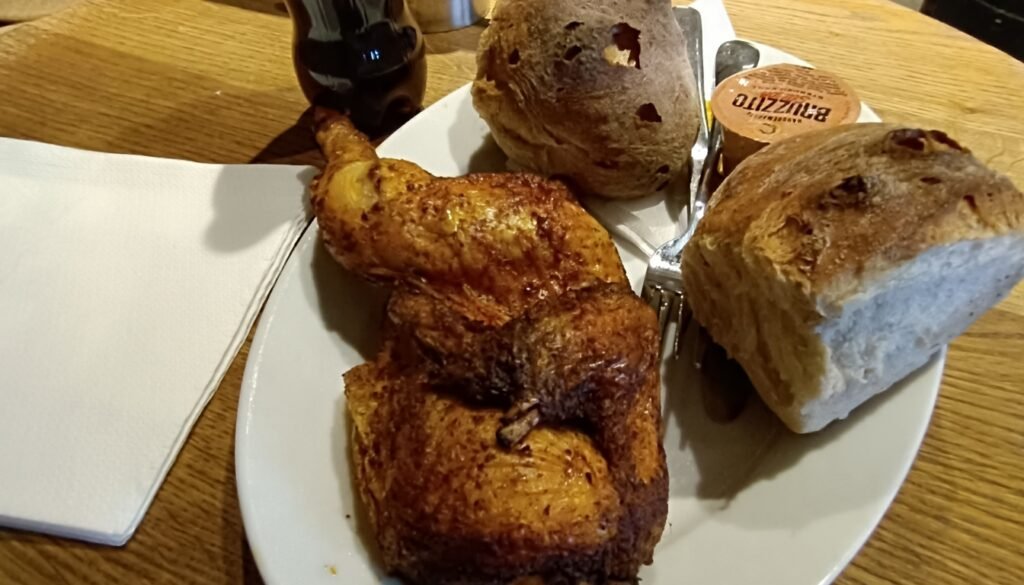
Roger Federer’s favorite wurst stand. I’m not making that up—it’s been documented. This place has served Zurich since 1963, and the bratwurst is legitimately the best I’ve had in Switzerland. The half chicken is underrated. The mustard has a serious kick.
Äss-Bar — Value Score: 10/10 Multiple locations | CHF 1-5
Day-old bakery goods from premium bakeries at 50%+ off. Bread rolls for CHF 0.50. Croissants for CHF 1.50. Arrive before 10am because the best stuff sells out fast.
Money-Saving Life Hacks Only Locals Know
Zurich residents save CHF 20-40 daily using tricks tourists never discover: standing at bars (50% cheaper), refilling at 1,200 free fountains, and timing supermarket visits for evening discount stickers. These aren’t tips—they’re how the city actually works.
The Standing Rule (This One’s Huge)
First time in Zurich, I sat down at a café near Paradeplatz. Coffee was CHF 7.50. The next day, I stood at the bar at the same place—CHF 4. Same coffee, same barista, 47% cheaper.
This isn’t a hack. It’s Italian-Swiss café culture. Sitting at a table is a service. Standing at the bar is self-service. Every traditional café operates this way. Once you know it, you can’t unknow it.
1,200 Free Drinking Fountains
Zurich has 1,200 public fountains, and every single one dispenses drinkable Alpine water unless marked “Kein Trinkwasser” (not drinking water). I’ve saved approximately CHF 1,500 over three years by never buying bottled water.
The 53-jet fountain at the Opera House? Drinkable. The medieval fountains in Old Town? Drinkable. Bring a reusable bottle. Skip CHF 4-6 per plastic bottle. The math is obvious.
Evening Discount Stickers
Arrive at Migros or Coop 1-2 hours before closing and look for orange or red discount stickers. Saturday evenings have the best selection—30-50% off items that would otherwise be thrown away. The Too Good To Go app extends this to restaurants and bakeries: pay CHF 4-8 for CHF 12-20 worth of surprise bags collected at closing time.
Free Museum Days
- Kunsthaus Zürich: Free every Wednesday (normally CHF 23)
- Swiss National Museum: “Einfach Zürich” exhibition always free
- Zoological Museum: Always free (1,500+ species, live beehive)
- ETH focusTerra: Always free (earthquake simulator)
Free Download📥 The Zurich Starter Guide
15 Hidden Gems. Real CHF Prices. Zero Tourist Traps.
🍕 10 local restaurants🍺 5 cheapest bars💡 10 money hacks🚫 5 traps to avoid🔒 No spam, ever. Unsubscribe anytime.
Free Things to Do in Zurich
Most “things to do in Zurich” lists push expensive tours and paid attractions. The best experiences here cost nothing: swimming in the Limmat river, sunset at Polyterrasse, hiking above the fog line on Üetliberg. These are what Zurich residents actually do on weekends.
River Swimming at Flussbad Letten
THE quintessential Zurich summer experience. Locals swim in the Limmat river from wooden platforms with diving boards—completely free. Many residents literally swim home from work, clothes in a waterproof bag, floating downstream.
Warning: Strong current. Confident swimmers only. But if that’s you, this is unforgettable.
Polyterrasse Sunset
Take the free Polybahn from Central station to ETH. Walk to the terrace. Watch the sun set over Lake Zurich and the Alps. This view is better than any paid observation deck. Locals bring wine (allowed) and picnic supplies. Combine with a CHF 12 lunch at ETH Mensa for the ultimate budget day.
Planetenweg Üetliberg-Felsenegg
A 5.5km hiking trail that’s a scale model of the solar system with spectacular Alps views. Take the S10 train to Üetliberg summit (covered by day pass), hike to Felsenegg, and take the cable car back down. The observation tower at the summit is free—and in November, you’re often above the fog layer looking down at clouds. Otherworldly.
Lindenhof
24-hour access to this elevated park in Old Town. Panoramic views of the Limmat and Alps. Local retirees play giant chess here. Best at sunrise (faces east) when tourist crowds are asleep.
Transport Without Getting Ripped Off
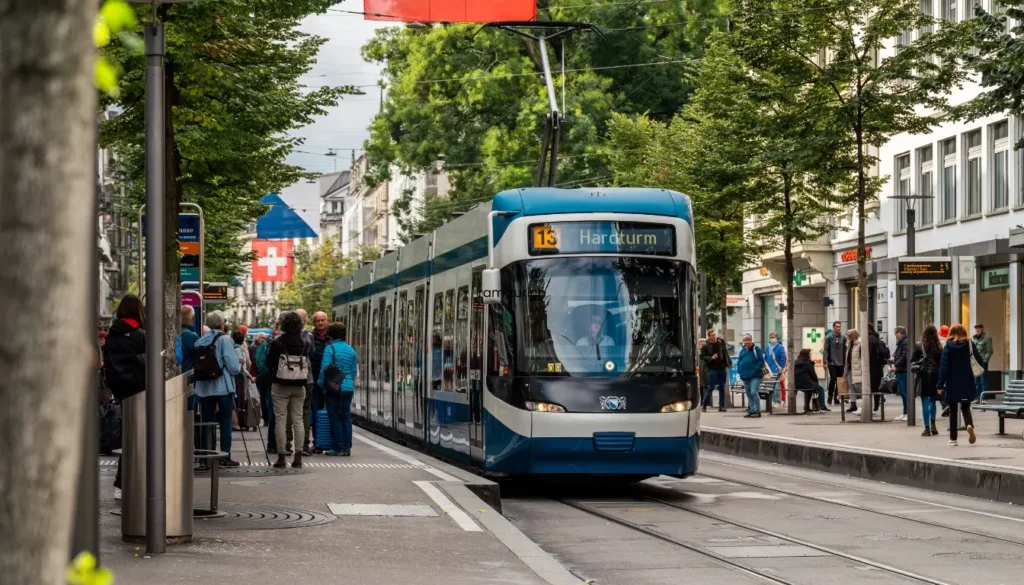
Single tickets are a trap. One tram ride costs CHF 4.40. Four rides and you’ve paid more than a day pass. The 9 O’Clock Day Pass (CHF 28) covers unlimited transport including boats and the Üetliberg train. Valid after 9am weekdays, all day weekends. This is what locals use.
The Math That Matters
| Option | Cost | Break-Even |
|---|---|---|
| Single ticket (Zone 110) | CHF 4.40 | — |
| 24-hour pass | CHF 8.80 | 2 rides |
| 9 O’Clock Day Pass (all zones) | CHF 28 | 6-7 rides |
If you’re sightseeing, you’ll easily hit 6+ rides. The day pass also covers:
- Boats on Lake Zurich
- S10 train to Üetliberg
- Rigiblick cable car
- Polybahn funicular
Free Alternatives
Züri Rollt Free Bikes: Refundable CHF 20 deposit, return by evening. Pick up at Velostation Europaplatz.
Walking: The entire Old Town, from Hauptbahnhof to the lake, is a 15-20 minute walk. Most attractions cluster within walking distance.
SBB Supersaver Tickets: Book intercity trains in advance through the SBB app for up to 70% off. Zurich to Bern can cost CHF 7.80 instead of CHF 25.50 at full price.
Cheapest Drinks in Zurich (Yes, They Exist)
Boschbar serves CHF 4 beer—the cheapest in Zurich. Open Mondays 9pm-2am only, volunteer-run, right on the Limmat with live concerts for CHF 5. Edi’s Weinstube has CHF 3.50 wine in a former adult cinema with quirky erotic art décor. Budget drinking exists; you just need to know where.
A beer in a tourist area costs CHF 9-12. The same beer at Boschbar costs CHF 4. That’s not a discount—it’s a different planet.
Featured Hidden Gems:
Boschbar — Value Score: 10/10 Sihlquai 240 (Provitreff) | CHF 4/beer
Cheapest beer in Zurich. Volunteer-run alternative bar on the Limmat. Live concerts CHF 5. Mondays only, 9pm-2am. Miss this and you miss the real Zurich.
Edi’s Weinstube — Value Score: 10/10 Stüssihofstatt 14, Niederdorf | CHF 3.50/wine
House wine CHF 3.50/glass. This used to be an adult cinema—the quirky erotic art decor remains. Takeaway bottles CHF 9.90 flat. The most character per franc in the city.
bQm Student Bar (ETH) — Value Score: 9/10 Leonhardstrasse 34 | CHF 6.60/0.5L
Open to everyone, not just students. Same incredible terrace view as ETH Mensa. Tourists pay premiums at rooftop bars for worse views than you’ll get here with a CHF 6.60 beer.
Tourist Traps to Avoid in Zurich
These places will rip you off: Airport duty-free (locals call it a scam), Bahnhofstrasse tourist shops (300% markups), any restaurant with an English menu near major sights. Here’s exactly what to skip and what to do instead.
The Tourist Tax Zones
Bahnhofstrasse: Switzerland’s famous shopping street is for window shopping only. Every souvenir, chocolate, and watch here carries a massive tourist markup. The Migros three streets over sells the same Frey chocolate locals actually eat at a fraction of the price.
Lake Promenade Restaurants: Beautiful views, brutal prices. I’ve seen CHF 35 sandwiches. Walk 10 minutes inland and prices drop 40-50%.
Airport Duty-Free: Locals actively warn each other about this. Prices are often higher than city stores. Buy your chocolate and cheese at Migros or Coop before your flight.
Specific Warnings
Café Seating Trap: Sitting anywhere doubles your bill. Stand at the bar like locals do.
English Menu Trap: If the menu prominently features English, you’re in a tourist zone. Walk 2-3 blocks in any direction.
Single Ticket Trap: Four tram rides cost more than a day pass. Don’t buy singles.
Bottled Water Trap: 1,200 fountains serve free Alpine water. Paying CHF 4-6 per bottle is unnecessary.
FAQs About Visiting Zurich on a Budget
Is Zurich expensive for tourists?
Zurich is the world’s most expensive city, tied with Singapore. Budget travelers average CHF 155/day, mid-range CHF 358/day. However, using local spots and the hacks in this guide, you can cut the budget tier to CHF 80-120/day while eating and drinking well.
What should food cost in Zurich?
Fair prices: Coffee CHF 3-4 (standing), lunch CHF 10-17 (canteens), dinner CHF 20-35 (local spots). If you’re paying double these amounts, you’re in a tourist trap. ETH Mensa serves full lunches for CHF 12-17 with panoramic views.
Is the Zurich Card worth it?
The Zürich Card costs CHF 28/day and covers unlimited transport plus museum discounts. Worth it if you plan 3+ tram rides and one museum visit. Otherwise, the 9 O’Clock Day Pass (same price) covers transport without museum discounts but is simpler.
Where do locals eat in Zurich?
Locals eat at ETH Mensa Polyterrasse (CHF 12-17, stunning views), Sternen Grill (CHF 13-18, best bratwurst), Tschingg (CHF 10.80 fresh pasta), and neighborhood Turkish/Lebanese spots in Kreis 4/5. They avoid Bahnhofstrasse and lakefront restaurants.
How do I avoid tourist traps in Zurich?
Stand at bars (50% cheaper than sitting), use the 1,200 free drinking fountains, eat at university canteens, and avoid any restaurant with English menus near major sights. Walk 5-10 minutes from attractions and prices normalize.
Is Zurich tap water safe to drink?
Yes. Zurich has 1,200+ public drinking fountains serving clean Alpine water. Unless marked “Kein Trinkwasser,” every fountain is drinkable. This can save you CHF 15-20 daily versus buying bottled water.
What’s the cheapest beer in Zurich?
Boschbar serves CHF 4 beer—the cheapest in the city. Open Mondays 9pm-2am only. Edi’s Weinstube has CHF 3.50 wine. The student bar bQm at ETH serves 0.5L beers for CHF 6.60 with panoramic terrace views.
Can non-students eat at ETH Mensa?
Yes. ETH Mensa Polyterrasse is open to everyone. Non-students pay approximately CHF 5 more than students, putting lunch at CHF 12-17. For that price with those views, it’s the best value meal in Zurich.
What’s the best free thing to do in Zurich?
Swimming in the Limmat at Flussbad Letten—THE quintessential Zurich summer experience. Free entry, wooden platforms, diving boards, locals swimming home from work. Other top free activities: Polyterrasse sunset, Lindenhof viewpoint, and the 5.5km Planetenweg hike on Üetliberg.
How much should I budget per day for Zurich?
Backpacker (hostel, canteens, free activities): CHF 80-120/day. Budget traveler (budget hotel, cheap eats, day pass): CHF 120-180/day. Comfortable (mid-range hotel, restaurants): CHF 200-300/day. With local tips, you can live like a comfortable traveler on a budget-tier spend.
Want the Complete Picture? Go Premium.
This free article covers the highlights. But Zurich has 84 verified spots I couldn’t fit here—including the CHF 12 Turkish döner that locals queue for on weekends, the baroque hidden garden that 99% of tourists walk past, and the exact neighborhoods where prices drop 40% within a 5-minute walk.